

When newcomers first step into the crypto market, one question comes up more than any other:
Is my exchange safe?
This concern is completely valid.
Over the past few years, the crypto industry has seen:
- Major exchange hacks
- Platform bankruptcies
- User funds stolen
But the reality is often very different from what most people imagine.
Most losses aren't caused by the exchange itself.
The biggest source of lost funds is user error and poor personal security practices.
In crypto, there are really two distinct categories of risk you need to understand:
- Platform risk (issues with the exchange)
- User risk (issues caused by your own actions)
Once you clearly separate these two, you can actually protect your assets effectively.
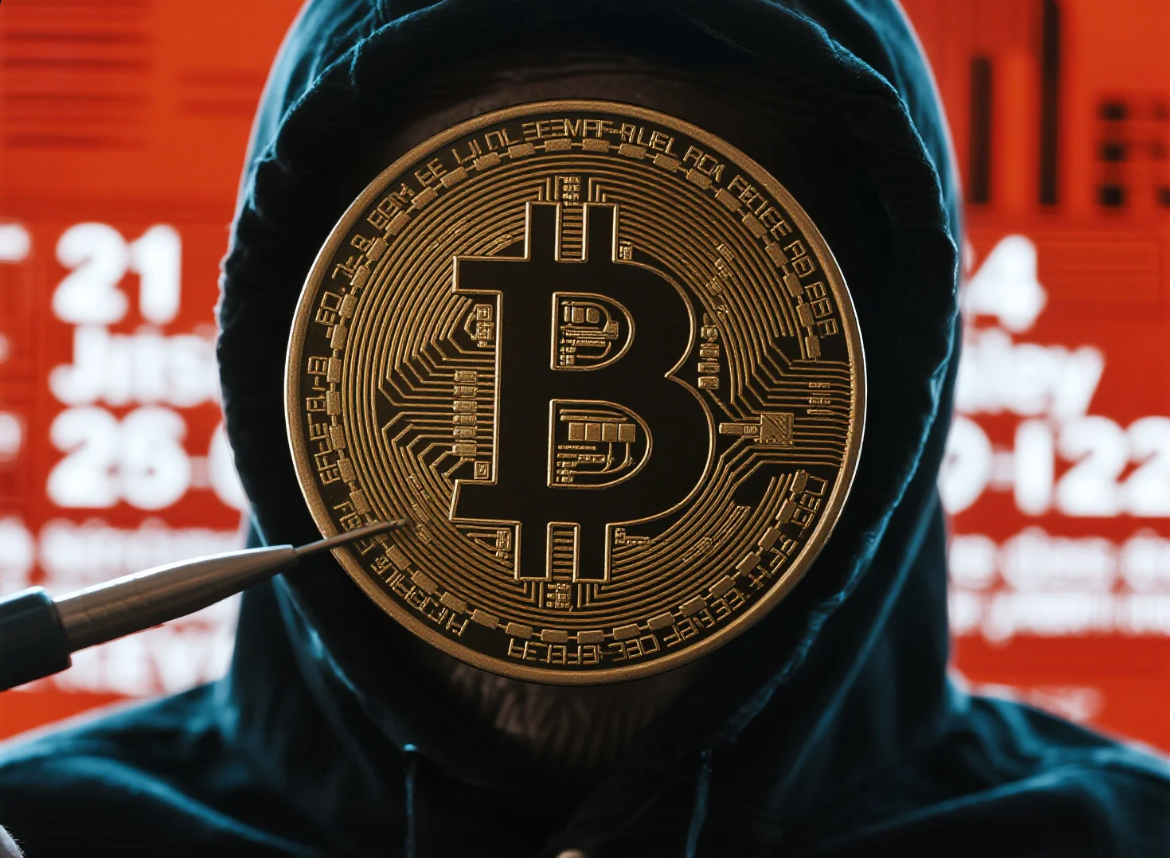
1. Are Exchanges Safe? Start by Understanding the Two Types of Risk
Crypto trading risks fall into two main buckets.
Platform Risk
This comes from problems at the exchange level, such as:
- Hacking attempts
- Internal mismanagement
- Insufficient reserves
- Sudden regulatory changes
These risks do exist, but as the industry has matured, major exchanges have built much stronger defenses, including:
- Cold storage for the majority of funds
- Multi-signature wallets
- Real-time risk monitoring systems
These measures dramatically reduce the chance of successful attacks.
User Risk
In practice, the vast majority of lost funds come from users' own mistakes, including:
- Password leaks
- Falling for phishing sites
- Getting liquidated on high leverage
- Sending funds to the wrong address
Many beginners obsess over whether the exchange is safe while completely overlooking their own bad habits.
2. Platform Risk: Potential Issues with Exchanges Themselves
While exchange security has improved significantly, platform-level risks still exist. They mainly fall into three categories.
Hacks
Crypto assets are purely digital, so exchanges remain prime targets for sophisticated hackers.
To counter this, leading platforms now rely on:
- Keeping most funds in cold wallets (offline)
- Multi-layer authentication
- 24/7 anomaly detection
These protections make successful breaches much rarer.
Reserve & Solvency Issues
Exchanges must prove they actually hold user funds.
That's why more and more platforms now publish Proof of Reserves (PoR) audits — publicly verifiable snapshots showing they hold the assets they claim.
Regulatory & Policy Risk
Crypto rules vary widely by country. Sudden policy shifts can affect:
- Fiat on-ramps / off-ramps
- Withdrawal channels
- Platform availability in certain regions
Choosing transparent, well-regulated platforms helps minimize this.
3. User Risk: The #1 Source of Lost Funds
The hard truth: most stolen or lost crypto doesn't come from exchange hacks.
It comes from users making avoidable mistakes.
Common pitfalls include:
Weak Password Hygiene
- Using simple or reused passwords
- Skipping two-factor authentication (2FA)
This makes accounts easy pickings.
Phishing Attacks
Scammers create:
- Fake login pages that look identical to real exchanges
- Bogus support links
- Telegram / Discord DMs pretending to be official help
Once you enter credentials, funds vanish quickly.
High-Leverage Trading
New traders often jump into 20x–100x leverage without understanding volatility.
A small market move → forced liquidation → total wipeout.
4. 2026 Red Flags: New Threats You Must Watch For
With AI advancing rapidly, scam tactics have evolved. Here are the two biggest emerging dangers in 2026.
AI Deepfakes & Voice/Video Impersonation
Scammers now use AI to create realistic fake videos or audio of:
- Exchange support staff
- Well-known traders or influencers
- Even people you know
They trick you during video calls or voice messages into sharing:
- 2FA codes
- Wallet seed phrases
- Approval signatures
Key rule to remember:
No legitimate exchange support team will ever ask for your 2FA code, seed phrase, or to share your screen in a call or video.
Malicious Approvals (Unlimited Token Approvals)
When connecting your Web3 wallet (MetaMask, WalletConnect, etc.) to dApps, NFT sites, or tools, you're often asked to Approve spending permissions.
If you blindly approve a malicious contract, it can drain your wallet — sometimes instantly, sometimes days later.
Always review exactly what you're signing. Use tools to revoke approvals regularly.
5. How to Minimize Platform Risk
Experienced users follow three simple rules:
- Stick to reputable exchanges
- Look at: user base size, clean security history, public Proof of Reserves, third-party audits.
- Never keep all your eggs in one basket
- Spread assets across multiple platforms (and personal wallets).
- Demand transparency
- Favor platforms that regularly publish PoR, security audits, and clear risk disclosures.
6. How to Minimize User Risk (The Habits That Actually Matter)
You control most of your own security. Build these three non-negotiable habits:
- Enable strong 2FA everywhere — preferably app-based (Google Authenticator, Authy) or hardware key — never SMS.
- Use a dedicated email address just for crypto accounts (don't reuse your everyday Gmail).
- Never trust unsolicited messages — real exchange support will never DM you first on Telegram, Discord, Twitter/X, etc.
7. The Overlooked Long-Term Risk Most Beginners Ignore
People fixate on account hacks but completely miss trading & holding costs that quietly destroy gains over time:
- Slippage on large orders
- Hidden spreads
- High withdrawal fees
These "invisible" costs often outweigh trading fees in the long run.
If you're not tracking them, check out resources like:
"Why 'Zero-Fee' Trading Can Cost You More in the End"
Understanding true costs is also a form of asset protection.
FAQ: Common Exchange Safety Questions
1. Are exchange accounts actually safe?
Yes — if you pick a reputable platform and use proper security settings. The real danger is usually user-side mistakes.
2. What happens if the exchange gets hacked?
Top-tier exchanges maintain insurance / SAFU-style funds to cover users. Still, never store everything on one platform.
3. Why do so many people lose funds?
Top reasons: phishing sites, malicious approvals, leaked passwords/credentials — almost always user risk.
4. Is a hardware wallet safer?
For long-term holding, yes — hardware wallets keep keys offline. But you'll still use exchanges for active trading.
5. How can I quickly judge if an exchange is safe?
Check three things:
- Do they publish regular Proof of Reserves?
- Any major past security incidents?
- Do they have transparent risk controls and audits?
Final Thoughts
Crypto exchanges aren't risk-free — no platform ever will be.
But the biggest threat usually isn't the exchange.
It's user behavior.
Master the difference between platform risk and user risk, build solid habits, and you'll avoid 95%+ of problems.
In crypto, security isn't just about technology — it's a mindset and daily routine. Stay sharp.