
A recent attack on a major crypto exchange was stopped in its tracks—not by passwords or SMS codes, but by hardware-based multi-factor authentication (MFA). The hackers had stolen login credentials, but without the user’s physical security key, they couldn’t access the account. This scenario is becoming increasingly common, as 73% of crypto breaches exploit weak or outdated MFA methods.
Why Traditional MFA Fails Crypto Users
Many exchanges still rely on basic MFA like SMS verification or email codes—methods that hackers routinely bypass. The biggest risks include:
- SIM-swapping attacks, where criminals hijack phone numbers to intercept SMS codes.
- Phishing scams that trick users into entering one-time passwords on fake login pages.
- AI-powered deepfakes that can fool facial recognition systems in seconds.
For crypto traders, these vulnerabilities can mean irreversible losses. Unlike banks, blockchain transactions cannot be reversed, making MFA failures catastrophic.
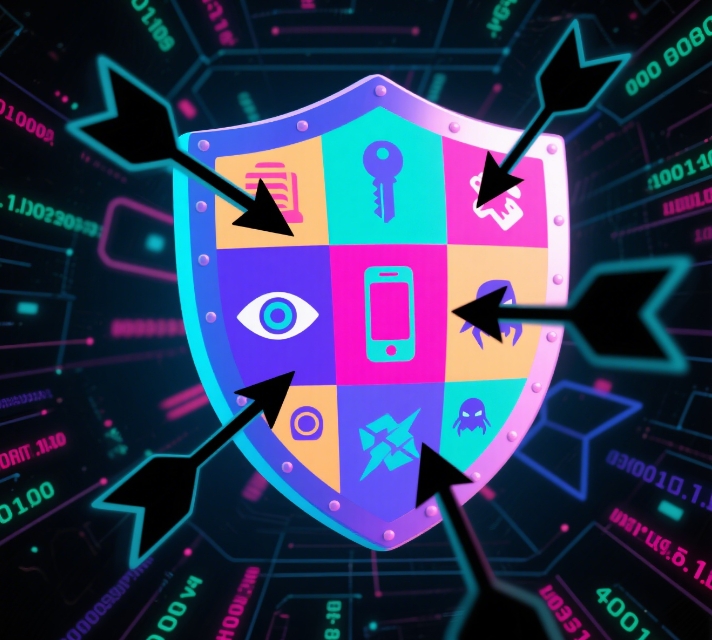
Next-Gen MFA: How Leading Exchanges Stay Secure
Top platforms now use adaptive MFA systems that combine multiple security layers:
1. Hardware Security Keys (FIDO2/WebAuthn)
Physical devices like YubiKeys require both possession and biometric verification (fingerprint, PIN). Even if a hacker steals a password, they can’t access the account without the key.
2. Behavioral Biometrics
AI monitors typing patterns, mouse movements, and transaction habits to detect anomalies. If behavior deviates, the system locks the account—stopping fraud in real time.
3. Zero-Knowledge Proof (ZKP) Authentication
Instead of storing sensitive data, exchanges verify identities using cryptographic proofs, reducing exposure to breaches.
The Future of MFA: AI, Quantum Resistance, and Decentralization
As threats evolve, so do defenses:
- AI-driven fraud detection now predicts attacks before they happen.
- Quantum-resistant encryption is being tested to protect against future decryption threats.
- Decentralized identity (DID) lets users control authentication without relying on a single exchange.
Regulators are also stepping in. The EU’s MiCA framework will soon require phishing-resistant MFA for all crypto platforms, setting a new security standard.
Why Strong MFA Matters for Every Crypto User
- Prevents 90% of account takeovers when properly implemented.
- Reduces insurance costs for exchanges by up to 30%.
- Boosts user trust, leading to higher trading volumes.
The lesson is clear: MFA isn’t optional—it’s the last line of defense between hackers and your crypto.
HIBT | Secure Trading Starts Here
About the Author
Dr. Elena Voss is a cybersecurity expert specializing in blockchain authentication. Formerly a lead researcher at a top-tier crypto exchange, she has published multiple papers on fraud prevention and secure identity verification.
Sources: MITRE ATT&CK framework, EU MiCA regulations, FIDO Alliance security guidelines.