

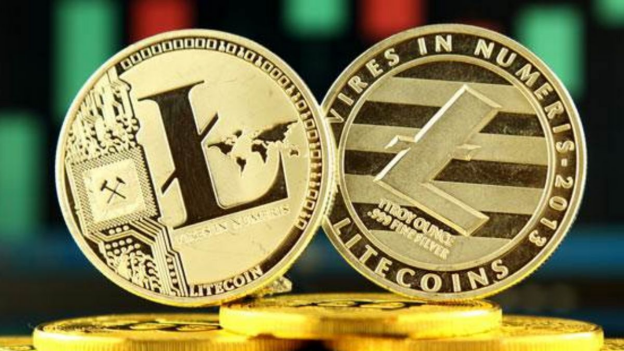
In the world of cryptocurrency, Bitcoin and Litecoin are the two most well-known digital currencies. While they are similar in many ways, there are also significant differences. This article will compare the characteristics of Bitcoin and Litecoin and analyze their roles and influence in the cryptocurrency ecosystem.
1. Technical basis and design goals
Bitcoin: Bitcoin was created by Satoshi Nakamoto in 2009 and was intended to be a decentralized digital currency and store of value. It is based on the SHA-256 hash algorithm and ensures network security through a complex mining process. Bitcoin is designed to become "digital gold" for long-term value storage and investment.
Litecoin: Launched by Charlie Lee in 2011, Litecoin is designed to serve as a "digital silver" to supplement Bitcoin's deficiencies in the payment field. Litecoin uses the Scrypt algorithm, making the mining process more user-friendly. The main advantages of Litecoin are faster transaction confirmation times and lower transaction fees.
2. Network performance and scalability
Bitcoin: Bitcoin’s block generation time is 10 minutes, and each block contains a limited number of transactions, which makes Bitcoin possible delays in processing transactions. The scalability issue of the Bitcoin network is one of its main challenges, although there are technologies such as the Lightning Network that are used to alleviate these problems.
Litecoin: Litecoin’s block generation time is 2.5 minutes, which is four times faster than Bitcoin. The shorter block generation time allows Litecoin to process transactions more quickly, making it suitable for daily small payments. Litecoin also uses similar scaling technologies such as the Lightning Network to further improve network performance.
3. Market performance and acceptance
Bitcoin: Bitcoin is the leader in the cryptocurrency market, with a much higher market share than other digital currencies. Bitcoin is widely accepted as an investment asset and store of value, and many financial institutions and merchants have begun to support Bitcoin transactions.
Litecoin: Litecoin’s market performance has been relatively low, but it still maintains a stable market position. Litecoin has many applications in the payment field, and some merchants and online platforms support Litecoin as a payment option. Although its market share is lower than that of Bitcoin, its technological innovation and faster transaction processing speed give it an advantage in specific scenarios.
4. Mining Mechanism and Economics
Bitcoin: Bitcoin’s mining mechanism uses the SHA-256 algorithm and is currently dominated by ASIC mining machines, which makes it difficult for ordinary miners to participate. The total supply of Bitcoin is limited to 21 million, with mining difficulty gradually increasing accordingly.
Litecoin: Litecoin uses the Scrypt algorithm, which is more friendly to ordinary users in its early stages. Although ASIC mining machines are now available, the mining difficulty and resource requirements of Litecoin are generally lower than that of Bitcoin. Litecoin’s total supply is 84 million, which gives it a certain economic advantage in the long run.
5. Community support and development
Bitcoin: Bitcoin has huge community support and developer resources. As the first cryptocurrency, Bitcoin's technology and development direction have received widespread attention, and many developers and companies are dedicated to its improvement and promotion.
Litecoin: Litecoin’s community is relatively small but very active. Charlie Lee and the Litecoin team have made active contributions in technology updates and application promotion. Litecoin’s community plays an important role in supporting technological innovation and maintaining network security.
6. Future Outlook
Bitcoin: Future development of Bitcoin will continue to focus on improving network scalability and enhancing security. Bitcoin's market position and technical foundation have laid a solid foundation for its further development in the future.
Litecoin: The future prospects of Litecoin include continuing to promote technological innovation, improving network performance, and expanding market applications. Litecoin’s faster transaction confirmation times and lower transaction fees give it potential in the payments space, and its complementary relationship with Bitcoin will continue to play out.
in conclusion
Although Bitcoin and Litecoin have significant differences in technical implementation and market performance, they both play important roles in the cryptocurrency ecosystem. Bitcoin dominates as a store of value and investment as digital gold, while Litecoin functions as digital silver in daily payments and small transactions. The complementarity of the two and their respective technological innovations allow them to continue to play an important role in the cryptocurrency market.